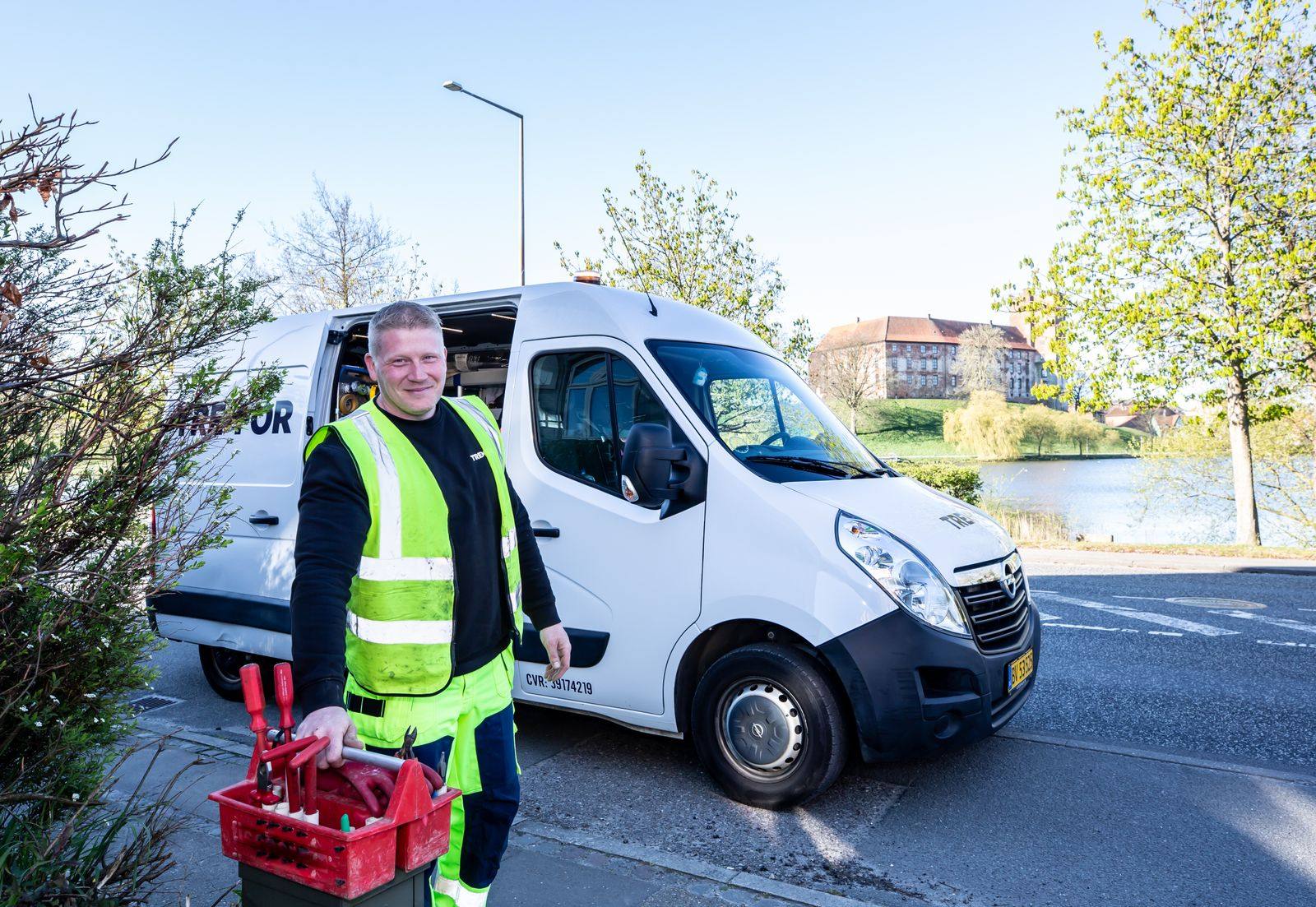
Not every water heater problem is an emergency, but the ones that are get more expensive with every minute. The classic example is a ruptured tank. Because the cold inlet stays connected to a failed tank, the leak does not end when the heater is empty; it can keep going until someone closes a valve, soaking subfloors, carpet, and ceilings below. Other urgent signs include a relief valve that is releasing water again and again, which means the tank is running too hot or at too much pressure, water at the tap that is suddenly scalding, and a rotten-egg odor near a gas unit. For households in Lancaster, PA, any of these is worth a call right now rather than a wait-and-see approach.
Safety comes before the phone call to us. If you smell gas, get everyone outside immediately, do not flip light switches or unplug anything on the way out, and call your gas utility or 911 once you are clear of the house. Once gas is ruled out, close the cold-water shutoff on the line feeding the heater; if it is seized or hard to reach, shut the main water valve for the house. On a gas unit, turn the control knob to OFF. On an electric unit, switch off its breaker, and never touch the panel while standing in water. If the relief valve is discharging, leave it open and never plug its pipe, because that valve is the only thing keeping an overheated tank from failing violently. Then call (717) 256-8919 and our team will pick it up from there.
Our part of the job begins the moment you call (717) 256-8919. Whoever answers walks you through isolating the heater, confirms the leak has actually stopped, and gives you a realistic window for a technician instead of a guess. Once we arrive, safety checks come first: water, gas or power, and venting. Then we diagnose. A failed relief valve, a leaking drain valve, a corroded supply fitting, or a burned-out element can typically be swapped before we leave because those parts ride on the truck. If the tank has rusted through, no repair will hold, and we tell you so plainly before walking through replacement choices. Families throughout Lancaster call us for exactly these moments.
Most of our service calls are for Water Heater Repair in Lancaster. Start there if you're not sure what you need.
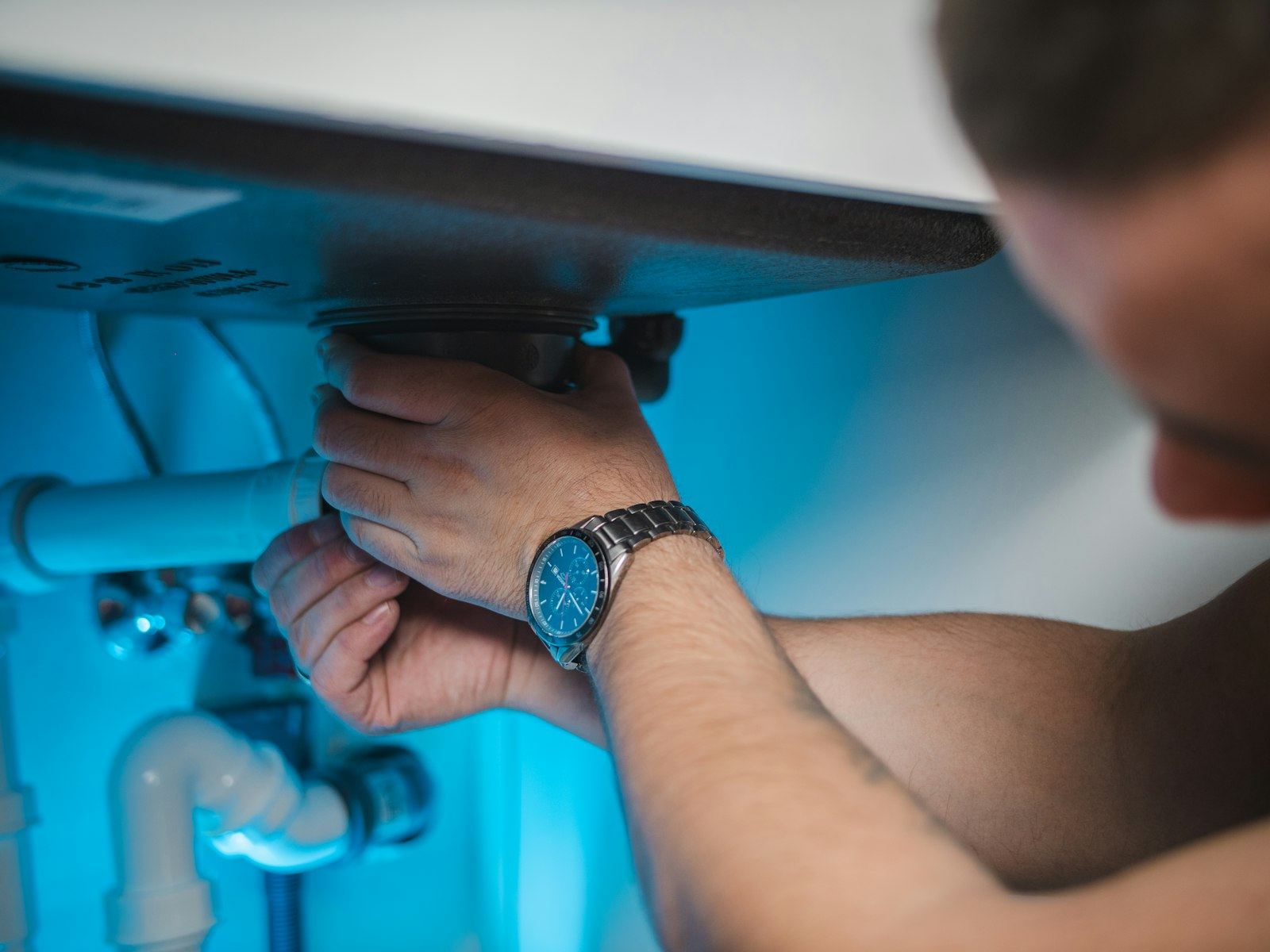
Symptoms That Mean It's Time to Call
Recognizing the warning signs early can save you money and keep a slow drip from turning into a flooded utility room. Keep an eye out for the following:
- A T&P valve that releases water repeatedly instead of staying closed
- Standing water around the water heater that returns after you wipe it up
- Black soot or heat discoloration around the burner door or draft hood
- Every tap running cold and the heater showing no signs of life
- A rotten-egg smell near a gas water heater (leave first, and call the gas utility)
- A breaker that trips every time the electric heater tries to run
- Loud popping, banging, or rumbling from the tank that has gotten worse quickly
- Hot water far hotter than normal, a sign of a runaway thermostat or gas control
A Slow Leak Never Stays Slow
Left alone, even minor symptoms like rumbling or temperatures that swing from hot to warm tend to mean the heater is working its way toward a breakdown. At the first hint of a problem, reach out to Lancaster Water Heater at (717) 256-8919 and we'll take a look.
Talk to Us About Emergency Water Heater Repair
Our experienced technicians are standing by to help.
Call (717) 256-8919 NowEmergency Water Heater Repair FAQ
Why This Job Calls for a Pro
The risks in a water heater emergency are easy to underestimate. In reality, you may be dealing with standing water beside 240-volt wiring, a gas supply and live burner a few inches from a puddle, and a tank of very hot water under pressure. The relief valve, if it is firing, is the last safeguard between an overheated tank and a violent failure, and plugging it is one of the most dangerous things anyone can do to a heater. Relighting a pilot while gas lingers, or cranking on a corroded fitting until it snaps, can make things much worse. Leave, shut off, and call is the right sequence for anyone without the tools and training.
Professional help is not just about having wrenches. It is about knowing why the failure happened so it does not happen again next month. When a relief valve discharges, we measure static water pressure and look for a missing or failed expansion tank. When a tank floods the floor, we locate the true source, whether it is the valve, a fitting, a connector, or the tank wall. When a gas heater dies, we check the thermocouple or flame sensor, gas pressure, and venting before restarting it. The diagnosis determines everything that follows. Components can be replaced the same visit; a failed tank cannot be patched, and we say so plainly and explain the replacement path.
How We Handle Emergency Water Heater Repair
Good water heater work comes down to a consistent routine, and ours starts with a real diagnosis instead of a guess. Here's exactly how a typical visit unfolds:
Phone Triage & Shutoff Help
The first step happens before we arrive. We rule out a gas smell with you, walk you through the water shutoff and the gas control or breaker, and help limit the spread of water.
Secure the Area
A technician heads out as quickly as the schedule allows, with an honest arrival window. On site we verify water, fuel, power, and venting are safe before any diagnosis begins.
Diagnose & Repair
We trace the real cause, whether that is a worn valve, a rotted fitting, or a dead element, and repair it on the spot when the part is on the truck.
Test and Confirm
Before we leave, the tank is refilled and bled of air, the burner or elements are brought back online, and we confirm dry connections, a working relief valve, and a safe 120F setting.
Water Heater Care Tips From Our Technicians
Most of the failures we see could have been delayed for years with basic upkeep. Follow these tips from our technicians:
- A drain pan with a proper drain line under the tank can turn a flood into a manageable puddle
- Add a battery leak alarm or an automatic shutoff valve that closes the supply when it senses water
- Tag the water heater supply valve and the main shutoff so nobody has to search during a leak
- Keep the thermostat near 120F to limit scalding and reduce strain on the tank
- Annual flushing keeps sediment from causing the rumbling and hot spots that lead to leaks
- Leave clear space around a gas heater and never store flammable liquids nearby
- Check the temperature and pressure relief valve each year so you know it will work when it matters
Doing It Yourself vs. Hiring a Technician
Some simple checks are fine to do yourself, but most water heater repairs benefit from professional tools, training, and experience. Here's a comparison:
| Factor | Doing It Yourself | Professional Service |
|---|---|---|
| Gas Safety | Tempted to relight or poke around | Gas utility first, then tested with proper tools |
| Stopping the Leak | Hunting for shutoffs while water spreads | Water stopped and drain-down done properly |
| Relief Valve | Valve capped or plugged, a dangerous move | Root cause measured and corrected |
| Power & Water | Resetting breakers while the floor is wet | Circuit verified dead before any work |
| Finding the Cause | Guessing between valve, fitting, and tank | Leak and failure point pinpointed |
| Outcome | Temporary patch, risk of repeat flooding | Lasting repair or honest replacement advice |
Get Emergency Water Heater Repair Help Today
Every day a leak or a failing part goes unchecked puts more stress on the tank. Get Lancaster Water Heater on the job today.
Tap to Call (717) 256-8919Where We Provide Emergency Water Heater Repair
Wherever you are in the area, the same experienced team shows up with the same parts and the same pricing. Find your community below.