
Of all the ways to heat water with electricity, a heat pump unit is by far the most efficient. Instead of relying on heating elements alone, it uses a compressor, refrigerant, and a fan to harvest heat from surrounding air and move it into the tank. It takes much less power to move heat than to make it, so these hybrids routinely earn Uniform Energy Factor ratings of about 3 to 4, while a conventional electric tank sits just under 1. Here in Lancaster, PA, that gap is prompting plenty of homeowners to replace a worn electric tank with a hybrid instead of another standard model.
Before recommending a model, our technicians look at the space where it will live, because a hybrid is only as efficient as its surroundings allow. We check that there is enough air volume, generally about 700 cubic feet, or plan a ducted setup when there is not. We think about what the cooler, drier exhaust air will do to the room, whether a garage stays warm enough through the Lancaster winter for the compressor to do most of the work, and where the condensate will go, by gravity to a floor drain or through a small pump. We confirm the electrical side, usually a dedicated 240-volt circuit, and consider noise, since the compressor hum is fine in a garage but may bother someone sleeping on the other side of the wall. Height matters too: hybrids are taller than standard tanks and need room above for service and airflow.
The savings get won or lost in the settings. A hybrid can run in heat pump only, hybrid, electric, and vacation modes, and the best choice depends on how many people shower back to back and how cold the space gets. Heat pump recovery is slower than an element's, so going one tank size larger often lets the compressor carry the whole load without calling on backup heat. Our technicians install the unit with a drain pan, a properly pitched condensate line, a dedicated circuit, and code items such as an expansion tank or seismic strapping where they apply, then program the mode that fits your routine. Many qualifying units are eligible for utility rebates or federal tax credits, and while we cannot guarantee eligibility, we will tell you which programs are worth checking. Call (717) 256-8919 to talk through a heat pump water heater for your Lancaster home.
What homeowners call us about most is Water Heater Installation in Lancaster. Start there if you're not sure what you need.
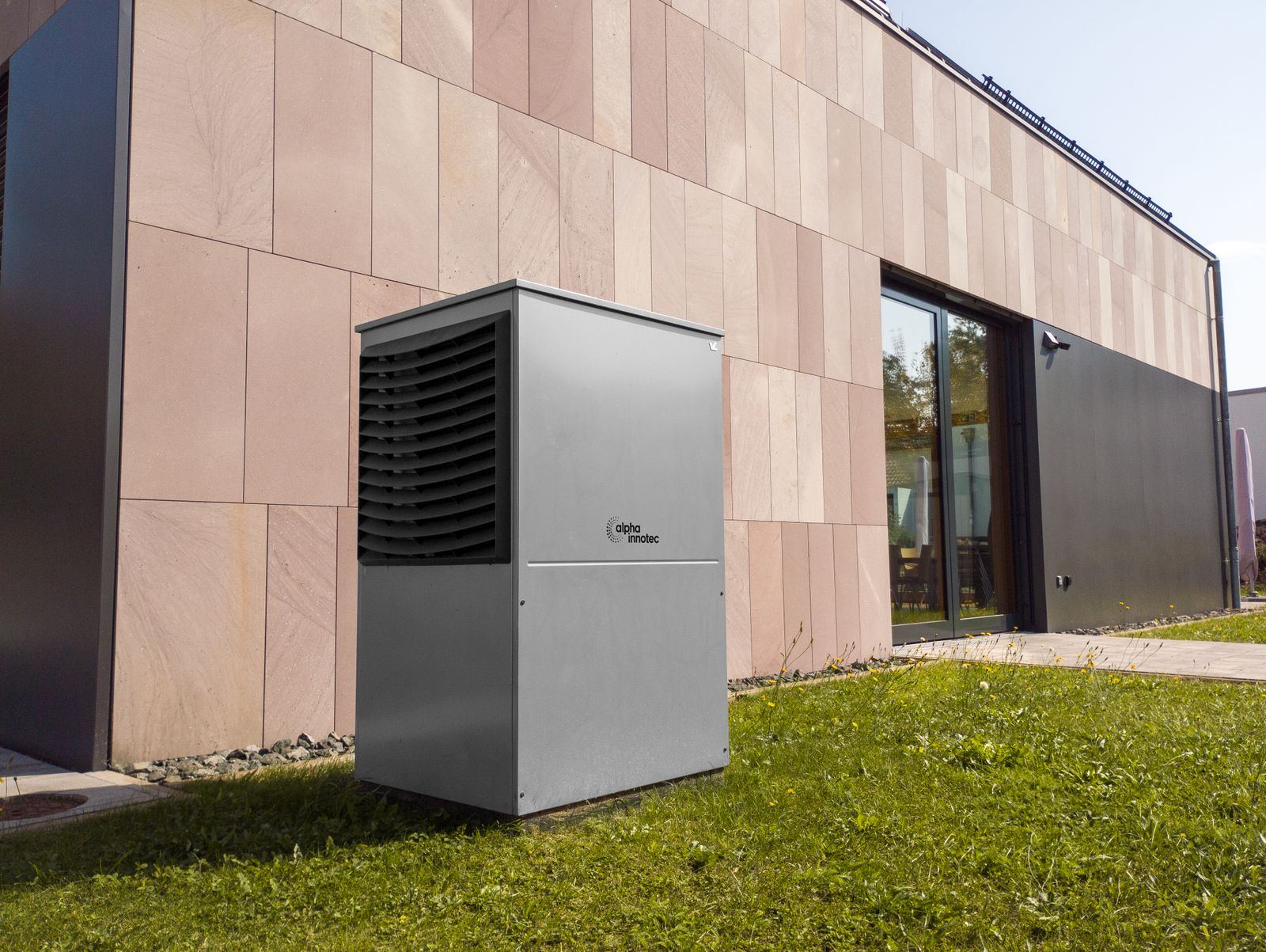
Signs You Need Heat Pump Water Heaters in Lancaster
Most tanks announce trouble weeks or months ahead with rumbling noises, rusty water, or hot showers that keep getting shorter. Here are the most common indicators that it's time to call a professional:
- An all-electric home, or one heading that direction
- Your electric tank is past the ten-year mark and you would rather plan than wait for a leak
- A garage or attic-adjacent room that stays warm most of the year
- An electrical setup already sized for an electric tank
- A musty lower level where cooler, drier air would be welcome
- Interest in utility rebates or federal tax credits for efficient equipment
- Power bills where water heating is a large and steady line item
- Open space around the current water heater, such as a basement or garage
A Slow Leak Never Stays Slow
Tanks rarely fail all at once. They corrode from the inside for months, and the warning signs show up long before the floor gets wet. If you notice any of these signs, contact Lancaster Water Heater at (717) 256-8919 for a prompt inspection.
No Hot Water? We Can Help.
We'll diagnose the problem and give you a straight answer on the fix.
Tap to Call (717) 256-8919Your Heat Pump Water Heaters Questions Answered
The Benefits of Professional Heat Pump Water Heaters
Installing a heat pump water heater is not the same job as swapping a tank. It is a plumbing appliance, an electrical appliance, and a small refrigeration system at once. The plumbing has to include a relief valve line to an approved spot and an expansion tank when the system is closed. The circuit has to meet the manufacturer's requirements, which may differ from the tank it replaces. And the room has to supply enough air, or the compressor starves and the unit quietly leans on its elements. That last point is the one most often missed, and it turns an efficient appliance into an expensive standard heater.
The install itself has its own demands. A filled 65 or 80 gallon tank is very heavy, the unit is taller than most standard heaters, and condensate needs a route that will not overflow onto a finished floor. Switching from gas adds capping the gas line, removing or sealing the old vent, and running new power. Refrigerant repairs on the sealed system call for specific training and recovery equipment. Our experienced technicians plan all of it from the first visit, set up the modes before they leave, and give you the product details you need for any rebate or tax credit paperwork, while leaving eligibility decisions to the program itself.
Our Heat Pump Water Heaters Process
Our workflow is simple and thorough, so nothing gets missed between the fuel supply and the relief line. Here's how we handle heat pump water heaters from start to finish:
Space and Airflow Check
We measure the room volume, note how warm or cold it runs through the year, find the nearest drain for condensate, and check the electrical panel for a 240-volt circuit.
Choosing the Unit
Based on household size and peak demand, we recommend a tank capacity and model, often one size larger than your old tank to offset slower heat pump recovery.
Installation and Condensate
We remove the old unit, set the new one level in a pan, connect the plumbing and circuit, route the condensate, and add code items like an expansion tank where required.
Mode Setup and Walkthrough
After a test run, we program the operating mode and temperature and show you how to clean the air filter and use vacation mode.
Repair or Replace? Let's Figure It Out.
Our technicians can assess your water heater and recommend the option that actually makes sense.
Tap to Call (717) 256-8919Prevention Tips That Actually Help
Routine maintenance is almost always cheaper and easier than an early replacement. Start with these practical measures our team relies on:
- Keep fumes and heavy dust away from the air the unit draws in
- Glance at the drain pan occasionally; standing water points to a clogged condensate line
- Switch to vacation mode before a trip to cut idle energy use
- Check the air filter regularly and wash it whenever dust builds up
- Leave clear space around the intake and exhaust instead of stacking storage against them
- Have the anode rod inspected every few years to protect the tank from corrosion
- Flush the tank once a year to clear sediment, just as you would with a standard heater
Should You DIY or Call a Pro?
Online videos may help in a pinch, yet lasting repairs and code-compliant installs depend on correct venting, proper relief valve discharge piping, and a trained technician. Here's a comparison:
| Consideration | DIY Attempt | Professional Service |
|---|---|---|
| Placement | Space never measured | Room sized and assessed for airflow |
| Wiring | Circuit left unchecked | Breaker and wire sized correctly |
| Drainage | Pump skipped where one is needed | Pan and drain line installed together |
| Tank Capacity | No thought to slower recovery | Sized for peak demand and recovery |
| Operating Mode | Modes never explained | Mode set to fit your routine |
| Safety Details | Drain pan left out | T&P discharge, pan, and expansion tank handled |
Let's Get Your Hot Water Back
The sooner you call, the sooner the hot water is back. Reach Lancaster Water Heater for fast service.
Call (717) 256-8919 NowWhere We Provide Heat Pump Water Heaters
We serve Lancaster and its neighboring towns for heat pump water heaters, from quick same-day repairs to planned installs.